How to Use Tax Season Data to Improve Your 2026 Financial Strategy
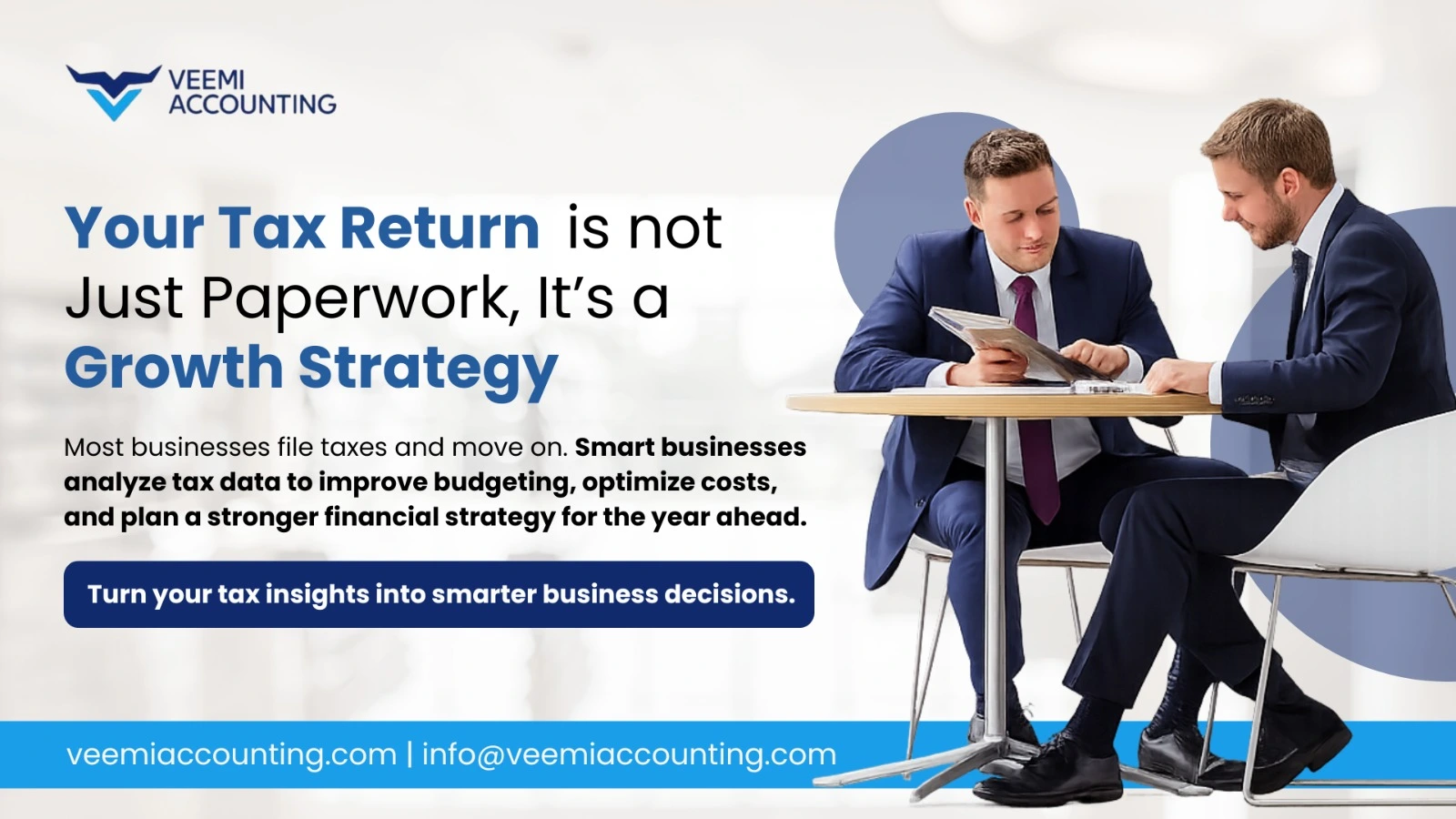
For many businesses, tax season feels like the finish line. Financial documents are gathered, returns are filed, and once the deadline passes, everything is stored away until next year. While this satisfies compliance requirements, it often overlooks one of the most valuable financial resources a business generates, its tax data.
A tax return compiles an entire year of financial activity in one place. It highlights revenue trends, expenses, deductions, and overall profitability. When reviewed strategically, this information can guide smarter financial decisions for the year ahead.
Instead of treating tax season as the end of the financial cycle, successful businesses treat it as the beginning of financial planning.
This guide explains how businesses can use insights from their 2025 tax return to build a stronger financial strategy for 2026.
Why Tax Season Data Is More Valuable Than Most Businesses Realize
Many companies focus only on filing their tax return. However, the return itself provides a complete snapshot of the business’s financial performance for the year.
Tax season data can reveal:
- Profitability trends
- Expense patterns
- Missed tax deductions
- Cash flow fluctuations
- Gaps between projections and actual results
Yet many businesses never revisit their tax returns after filing.
This means they miss opportunities to:
- Improve Budgeting
- Reduce tax Liability
- Optimize Expenses
- Plan Future Investments
Treating tax data as a strategic tool, not just a compliance document, can significantly improve financial decision-making.
Key Data Points to Pull from Your 2025 Tax Return
1. Net Income vs. Gross Revenue
This comparison reveals your true profitability.
Look for:
- Actual profit margins
- Rising operational costs
- Revenue growth vs profit growth
If revenue increased but profit did not, expenses may be growing too quickly.
2. Deductions Taken vs. Deductions Available
Deductions directly impact taxable income.
Review whether you claimed expenses such as:
- Equipment Purchases
- Professional Services
- Marketing and Advertising
- Travel Expenses
- Home Office costs (if applicable)
Missing deductions can increase unnecessary tax payments.
3. Depreciation Schedules and Asset Values
Depreciation records help track asset value over time.
Use this information to:
- Plan equipment upgrades
- Evaluate asset lifespan
- Identify tax-saving investment opportunities
It also helps avoid unexpected replacement costs.
4. Payroll and Contractor Costs
Labor expenses are often a major cost for growing businesses.
Review:
- Total payroll expenses
- Contractor payments
- Employee benefits
- Labor costs as a % of revenue
This helps determine whether staffing levels align with revenue growth.
5. Quarterly Estimated Tax Payments
Review whether your estimated payments were accurate.
Key questions:
- Did you underpay taxes?
- Did you overpay and reduce cash flow?
- Were the estimates based on outdated projections?
Accurate estimates improve financial planning.
Before analyzing tax insights, businesses should ensure their financial records and supporting documents are properly organized. Reviewing the documents businesses should organize before filing taxes can make it easier to identify deductions, verify expenses, and extract meaningful insights from your tax return.
How to Translate That Data into a 2026 Financial Strategy
A. Budgeting and Forecasting
Your 2025 numbers provide the best baseline for planning.
Use them to:
- Set realistic revenue goals
- Estimate future expenses
- Adjust for planned hires
- Account for expansion plans
Real data leads to more reliable forecasts.
B. Cash Flow Planning
Cash shortages usually follow patterns.
Review your data to identify:
- Slow revenue months
- High-expense periods
- Payment delays from clients
Then prepare by:
- Building cash reserves
- Adjusting billing cycles
- Securing credit lines early
C. Tax Planning (Not Just Preparation)
Strategic tax planning happens year-round.
Use your tax data to:
- Estimate accurate quarterly payments
- Time major purchases strategically
- Maximize available deductions
- Review your entity structure
Planning helps reduce year-end tax surprises.
D. Cost Optimization
Your tax return shows exactly where the money is going.
Review expenses to identify:
- low-ROI recurring costs
- unnecessary subscriptions
- operational inefficiencies
At the same time, consider deductible investments such as:
- equipment upgrades
- employee training
- retirement contributions
E. Growth and Investment Decisions
Financial data helps guide expansion decisions.
Use your tax insights to evaluate:
- hiring timelines
- expansion opportunities
- capital investments
- equipment replacement plans
Data-driven growth decisions reduce financial risk.
Many businesses only review their tax data when filing deadlines approach. However, rushing through the process often leads to missed deductions and inaccurate financial planning. Understanding common mistakes businesses make when rushing tax preparation can help prevent costly errors and improve long-term financial strategy.
Common Mistakes Businesses Make When Reviewing Tax Data
Even businesses that review their tax returns often miss valuable insights.
Common mistakes include:
- reviewing tax data only once a year
- focusing only on tax owed
- analyzing numbers without expert guidance
- ignoring industry benchmarks
Avoiding these mistakes allows businesses to gain far more value from their financial data.
The Role of an Outsourced Accounting Partner
Interpreting financial data requires expertise. An outsourced accounting partner can provide deeper insights and strategic guidance.
They can help businesses:
- Interpret tax return data
- Identify missed deductions
- Create financial forecasts
- Maintain accurate bookkeeping
- Plan proactive tax strategies
With consistent financial oversight, tax data becomes a powerful planning tool, not just an annual requirement.
Turn Your Tax Data into a Strategic Advantage
Tax season should not mark the end of your financial analysis. Instead, it should serve as the starting point for smarter financial planning.
Your tax return provides a detailed overview of your business’s financial performance, from revenue and expenses to payroll costs and asset investments. When reviewed strategically, this data becomes a roadmap for better financial decisions in the year ahead.
By analyzing your tax data, businesses can:
- Identify profit trends and cost inefficiencies
- Improve budgeting and forecasting
- Optimize deductions and tax planning
- Make smarter investment and hiring decisions
Businesses that actively use their financial data grow faster and make more confident decisions. Instead of filing your taxes and moving on, take the next step and use those insights to strengthen your financial strategy for 2026.
Ready to turn your tax data into a growth plan?
Schedule a consultation with our experts to review your financials and uncover opportunities for smarter planning and tax optimization.
Book your strategy call here.