Are You Overpaying Taxes? Signs Your Business Needs Better Tax Planning
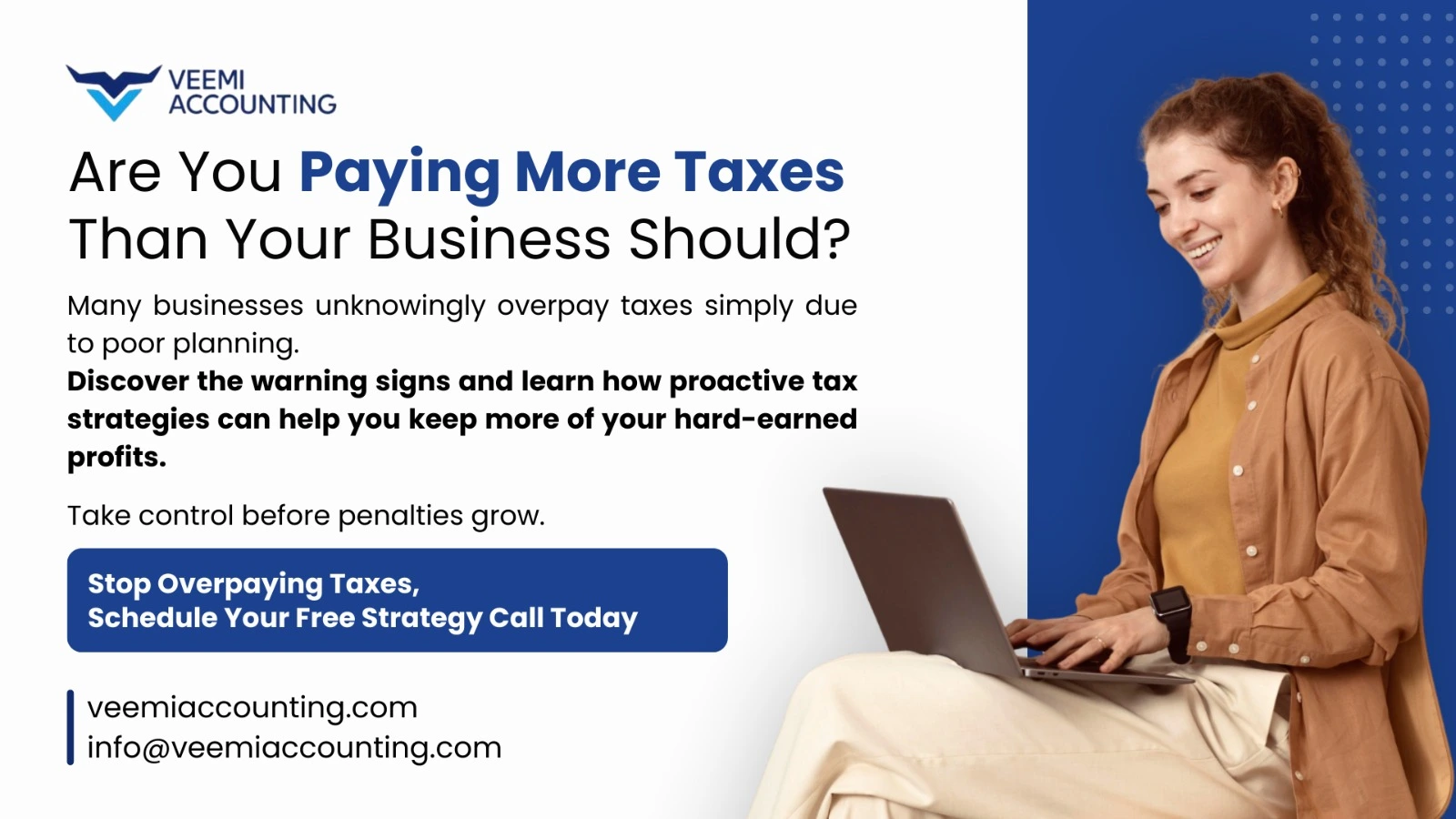
Did you know that thousands of businesses overpay taxes every year simply because they don’t have a proactive tax strategy in place? For many small and medium business owners, taxes become something they deal with only once a year. Between managing operations, handling clients, and growing the business, tax planning often gets pushed aside until filing deadlines approach.
The problem is that when tax planning is reactive instead of proactive, businesses frequently miss opportunities to reduce their tax liability legally. The result? Paying more tax than necessary.
In this blog, we will explore the most common warning signs that your business may be overpaying taxes and what you can do to fix it.
The Warning Signs You are Overpaying Taxes
Recognising the early warning signs can help you correct course before unnecessary taxes drain your profits. If any of the following situations sound familiar, it may be time to rethink your tax strategy.
1. You are Always Surprised by Your Tax Bill
One of the biggest indicators of poor tax planning is being shocked by your tax bill every year.
If you only review your finances when tax season arrives, you likely have no clear visibility into your expected tax obligations. This often leads to last-minute scrambling, stress, and limited options to reduce your liability.
Businesses with proper tax planning review their estimated tax obligations throughout the year. A proactive advisor helps forecast potential tax bills and recommends adjustments, such as timing expenses or contributions, to keep taxes under control.
Your tax return can also reveal valuable insights about your business performance. Careful review can highlight trends, missed deductions, or profitability issues. Learn more in our guide on what your tax return reveals about your business profitability.
2. You are Missing Deductions you are entitled to
Many businesses unknowingly miss out on legitimate deductions that could significantly reduce their tax bill.
Common examples include:
- Home office expenses
- Business vehicle use
- Equipment and technology purchases
- Professional development and training
- Marketing and software tools
A structured tax strategy ensures deductions are tracked properly and applied where appropriate.
Without proper financial records, many deductions go unclaimed simply because expenses are not properly tracked. In fact, how poor bookkeeping can cost small businesses thousands is a common issue that many business owners only discover during tax season.
3. Your Business Structure Isn’t Tax-Optimised
When most entrepreneurs start a business, they choose a structure that feels simple and convenient, often as a sole trader or basic entity.
However, as the business grows, that original structure may no longer be tax-efficient.
For example, operating as a sole trader versus a company can significantly affect how income is taxed, how profits are distributed, and how liabilities are managed.
Regular structure reviews ensure your business structure remains aligned with your growth stage, revenue level, and long-term financial goals. Updating your structure at the right time can lead to substantial tax savings.
4. You are Not Using Superannuation Strategically
Superannuation contributions can be one of the most effective ways to reduce taxable income, yet many business owners fail to use them strategically.
Concessional contributions, when structured correctly, can provide both tax benefits today and long-term financial security.
Timing also matters. Contributions made before the end of the financial year may reduce taxable income, but many businesses leave these decisions until it’s too late to act.
Strategic super planning ensures contributions are optimised for both tax efficiency and retirement planning.
5. You Don’t Have a Dedicated Tax Advisor
Many small business owners rely on tax software or occasional meetings with a CPA during tax season. While this may work for simple situations, growing businesses often require more consistent guidance.
Tax laws change frequently, and opportunities to reduce taxes appear throughout the year, not just during filing season.
A dedicated tax advisor does more than prepare returns:
- Analyse financial data regularly.
- Identify tax-saving strategies and help align business decisions with long-term financial goals.
For many businesses, this proactive approach can significantly improve cash flow and financial stability.
6. You are Missing Out on Government Incentives and Credits
Governments regularly introduce tax incentives designed to support business growth and innovation.
These may include:
- Research and development (R&D) tax incentives
- Instant asset write-offs
- Small business tax concessions
- Industry-specific grants or credits
The challenge is that these programs change frequently, and many business owners simply aren’t aware they exist.
Without expert guidance, businesses often miss valuable opportunities that could significantly reduce their tax liability or improve cash flow.
What Good Tax Planning Actually Looks Like
Effective tax planning isn’t about aggressive strategies or complicated loopholes; it’s about smart, proactive financial management.
A strong tax strategy typically includes:
- Regular financial reviews throughout the year to monitor tax obligations and identify opportunities early
- Forward-looking strategies, such as timing income and expenses strategically
- Income splitting or investment planning, where appropriate
- Alignment between business and personal finances for maximum tax efficiency
- Tailored advice based on your industry, business structure, and long-term goals
Turn Tax Planning Into a Profit Strategy
Overpaying taxes is more common than many business owners realise, but the good news is that it’s often avoidable.
If you frequently feel surprised by your tax bill, miss deductions, or only hear from your accountant at tax time, it may be time to rethink your tax strategy. The earlier you identify these warning signs, the more opportunities you have to make meaningful improvements.
If you are unsure whether your current tax strategy is working efficiently, it may be time to get a professional review.
Schedule a free 30-minute tax strategy call with Veemi Accounting to review your business and identify opportunities to legally reduce unnecessary tax payments.
Book your consultation here.